Burn-Off Oven Systems for Injection Molding & Extrusion Tooling
Controlled Thermal Cleaning Systems for Polymer-Contaminated Metal Components

Remove hardened polymer, resin, oil, grease, and other organic buildup from compatible metal tooling.
Compare compact tool-room equipment with flexible, higher-capacity industrial oven configurations.
Bring recurring tool cleaning in-house to reduce outsourcing delays and labor-intensive manual cleaning.
From nozzle tips and breaker plates to hot halves, molds, and extrusion dies, our burn-off oven systems help plastics manufacturers establish a more controlled and repeatable tooling-cleaning process. Explore the EB, ESC, and EIG Series to compare systems according to your load dimensions, cleaning frequency, production demands, available utilities, and facility requirements.
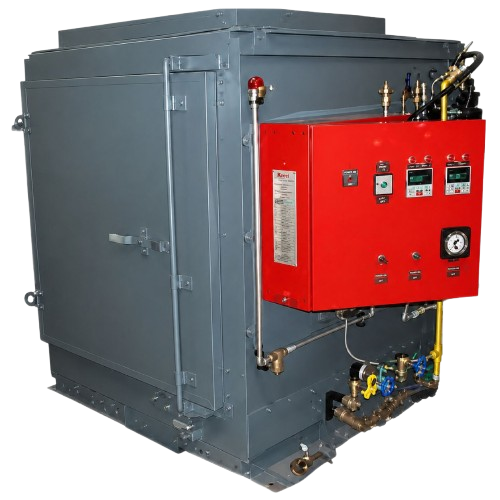
ESC Burn-Off Oven Model Series
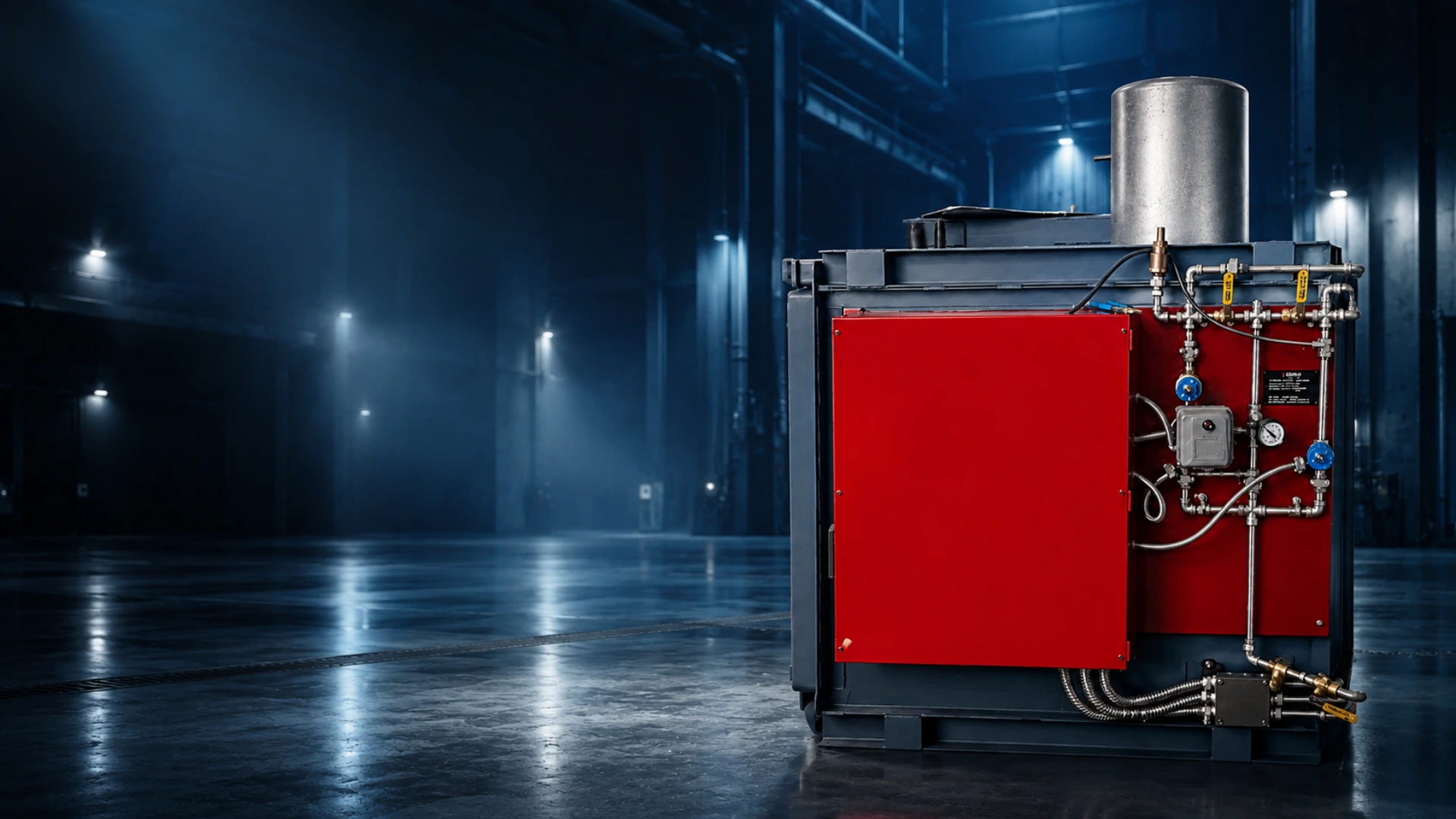
Featured Configuration: ESC-15
Light-Duty Tooling, High-Volume Cleaning
Specifically built for frequent processing of injection molding and extrusion tooling screws, and similarly sized recurring polymer-contaminated components.
Versatile Organic-Residue Removal
Controlled thermal cleaning for polymer, paint, powder coating, varnish, oil, grease, and other combustible organic buildup on compatible metal parts.
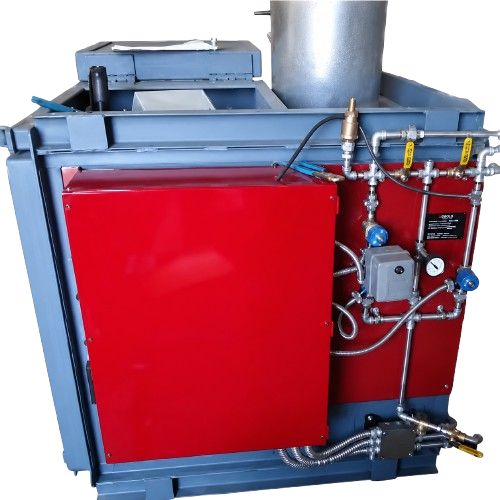
EB Burn-Off Oven Model Series
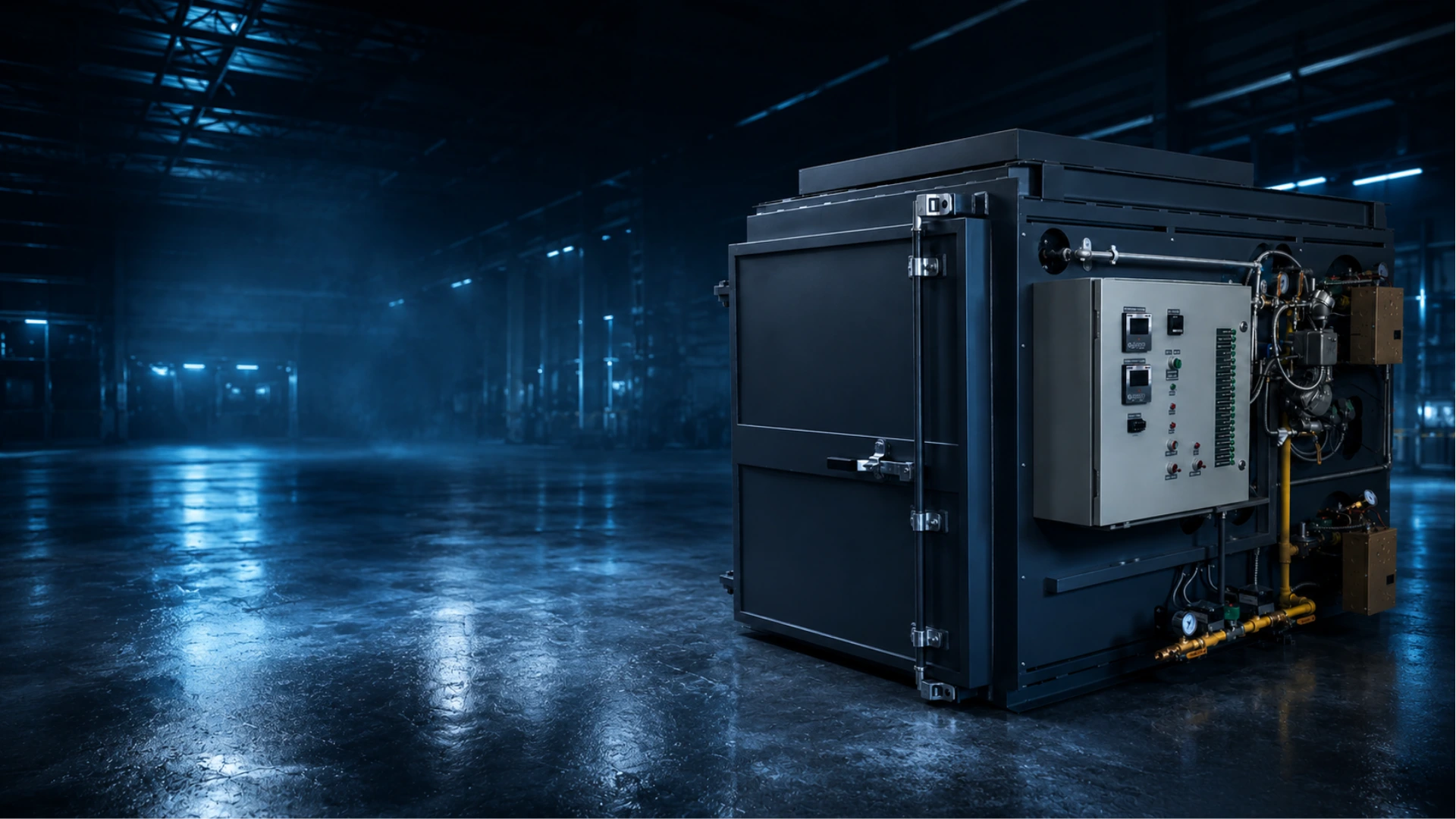
Featured Configuration: EB-13
General Purpose Tool-Room Cleaning
A compact in-house thermal-cleaning system for processing a varied mix of polymer-contaminated tooling, maintenance parts, and compatible metal components.
Built for Molding & Extrusion Components
The EB Series is the perfect general purpose tool room assistant for cleaning nozzle tips, small hot runners, breaker plates, screen packs, small extrusion dies, and injection molding maintenance parts.
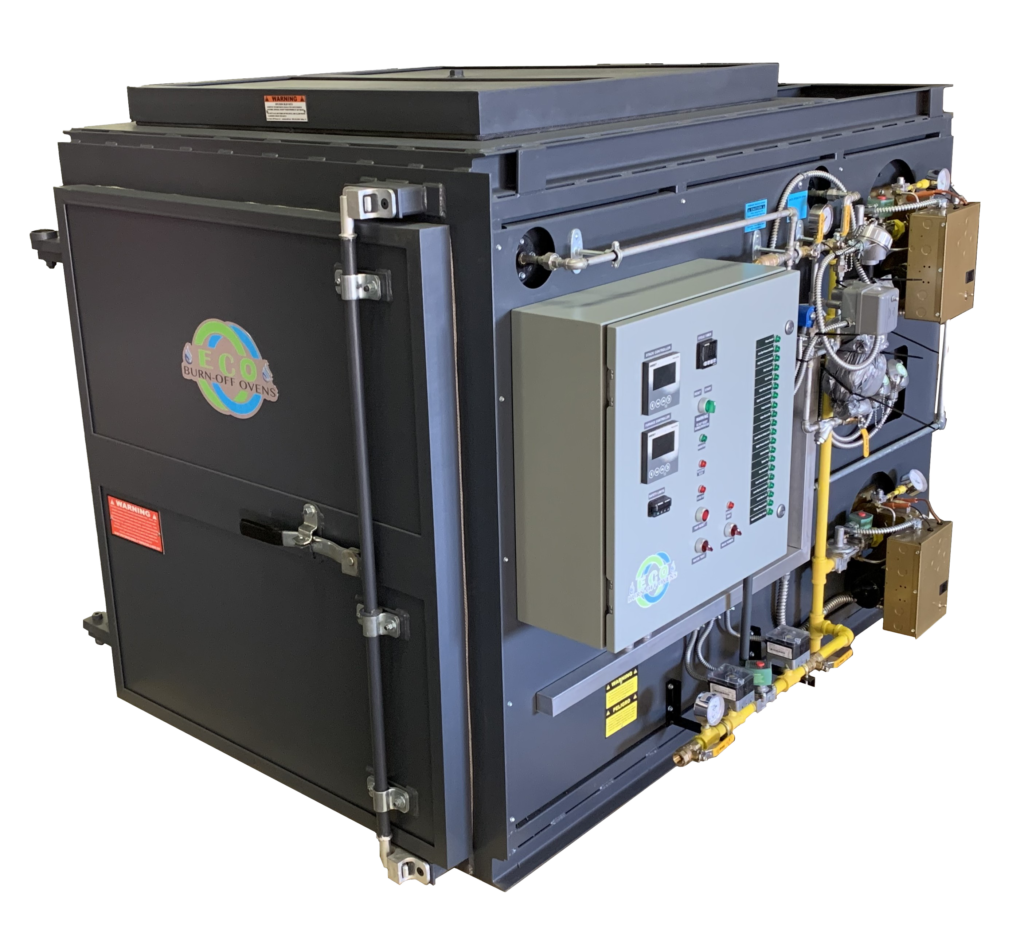
EIG Burn-Off Oven Model Series
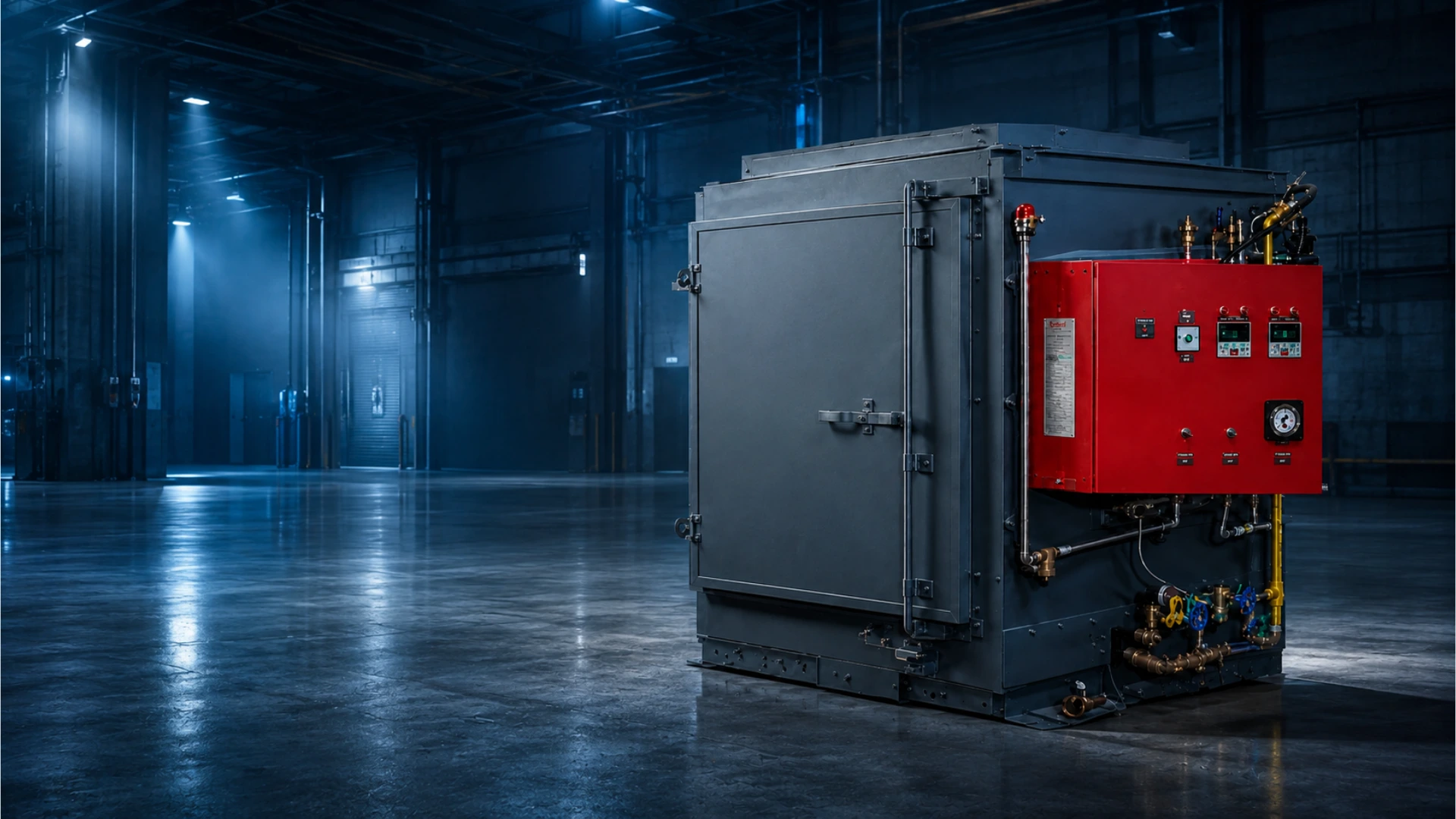
Featured Configuration: EIG-52
Higher-Capacity Industrial Cleaning
Designed around substantial tooling and production loads, including large hot halves, fully assembled dies, spin packs, coating fixtures, and other compatible metal components.
Broader Configuration Flexibility
Evaluate chamber dimensions, load weight, cleaning volume, throughput, utility requirements, and material-handling needs across a wider industrial equipment range.

The Right System, Configured Around Your Operation
BurnOffOvenSystems.com – Thermal Cleaning Equipment Experts
From the first application review through installation planning and ongoing operation, we help simplify the process of bringing controlled thermal cleaning into your facility.
#1
Application-Based Review
We begin with the parts you need to clean—their dimensions, weight, construction, residue type, cleaning frequency, and temperature limitations.
#2
Right-Sized System Selection
Compare ESC, EB, and EIG configurations according to actual tooling loads, required throughput, available floor space, and future production needs.
#3
Clear Installation Planning
Identify electrical, gas, water, exhaust, loading, and equipment-clearance requirements before the system reaches your facility.
#4
Long-Term Equipment Support
Receive continued assistance with operation, maintenance planning, replacement components, and recurring cleaning applications after installation.
Why Choose In-House Burn-Off Oven Cleaning?
Tooling does not have to be repeatedly packaged, transported, placed into an outside provider’s schedule, and returned before it can re-enter production.
Coordinate recurring cleaning with preventive maintenance, production changeovers, tooling inspections, and internal manufacturing priorities.
Controlled thermal processing can reduce the drilling, scraping, burning, and labor-intensive hand cleaning required to remove hardened polymer and organic residue.
Develop approved loading and cleaning procedures for the tooling families your facility processes regularly, helping create greater consistency between cleaning cycles.